
Why Focus on Sector C, E, and F?
Each of these sectors offers a different stage of development and investment opportunity.
Sector C – More mature, active construction, suitable for building soon
Sector E – Developing sector with growth momentum
Sector F – Emerging sector with future appreciation potential
Understanding the differences between them is essential before making a buying decision.
Sector C – Street View & Development Status
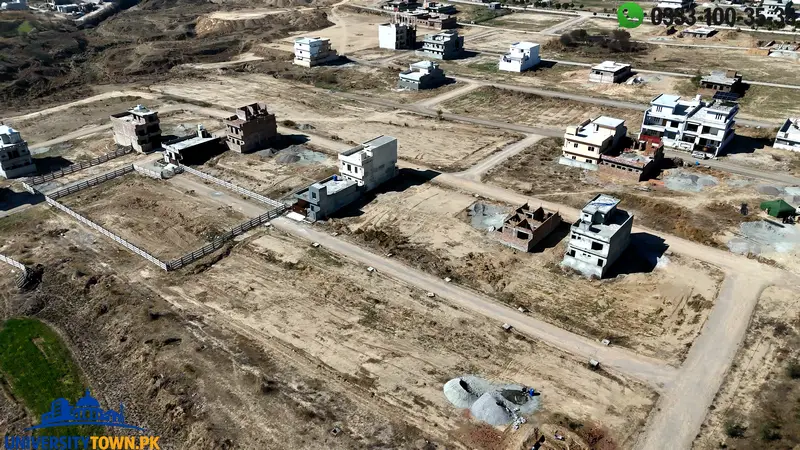
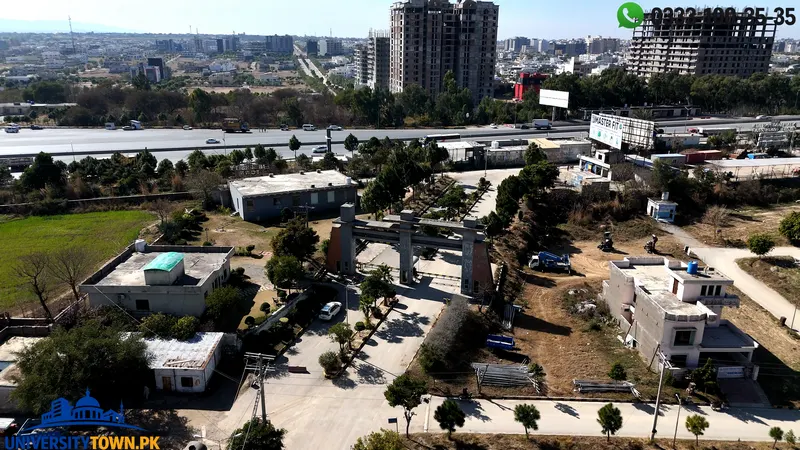
Sector C is among the more established sectors within University Town Islamabad. A physical street walkthrough shows visible development progress and a growing residential environment.
Road Infrastructure
Carpeted internal streets
Clear plot demarcation
Accessible main roads
Organized street layout
The road width in most parts of Sector C supports smooth vehicle movement and construction activity.
Construction Activity
One of the strongest indicators of sector maturity is active construction. In Sector C, you will notice:
Completed houses
Ongoing grey structure construction
Families already residing
Basic utilities functioning
This level of activity reduces investment risk for buyers planning immediate construction.
Who Should Buy in Sector C?
Sector C is ideal for:
Buyers planning to build within 6–12 months
Families wanting an already active neighborhood
Investors seeking stable, moderate appreciation
Buyers preferring reduced development risk
Because the area is more developed, prices may be relatively higher compared to newer sectors — but so is stability.
Sector E – Street View & Growth Momentum
Sector E presents a balanced opportunity between development stage and future appreciation.
Development Snapshot
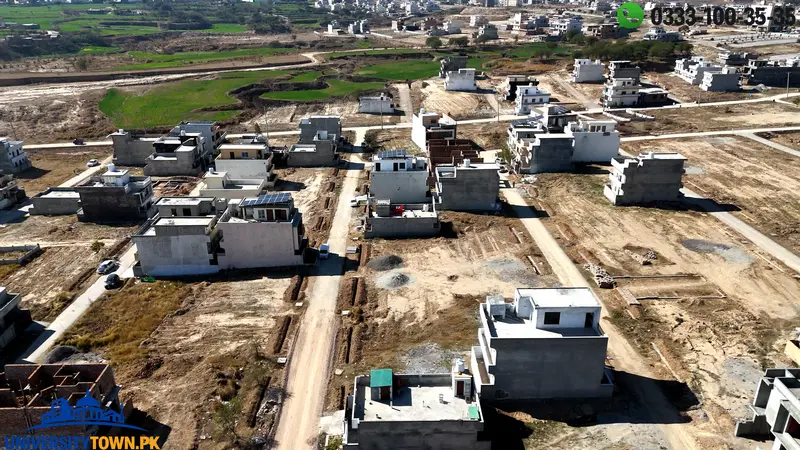
Roads under development or recently completed
Plot demarcation visible
Gradual construction starting
Open land pockets still available
Sector E is transitioning from early development to mid-stage progress.
Investment Advantage
Early-to-mid development sectors typically offer:
Lower entry price
Higher appreciation potential
Flexible plot options
Better selection availability
However, patience may be required if you plan immediate construction.
Street-Level Observations
On-ground inspection shows improving infrastructure and increasing activity. As utilities expand and construction accelerates, Sector E is likely to gain more buyer interest.
Who Should Buy in Sector E?
Medium-term investors
Buyers planning construction after 1–2 years
Budget-conscious investors
Those seeking growth opportunity rather than immediate occupancy
Sector E represents growth potential with manageable risk.
Sector F – Emerging Investment Opportunity
Sector F is comparatively newer and offers early-stage investment potential.
Development Status
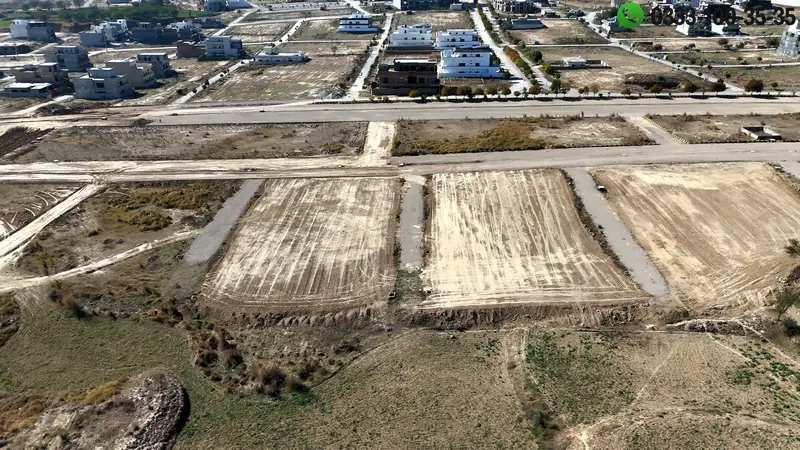
Basic road network layout visible
Initial development activity
Lower construction density
More open plots
This sector may still be in earlier phases compared to Sector C and E.
Why Consider Sector F?
Newer sectors usually attract:
Early investors
Long-term holders
Buyers seeking maximum capital growth
Because development is progressing gradually, Sector F may offer comparatively lower prices — but with longer maturity timelines.
Risk vs Reward
With early-stage sectors:
Entry cost is lower
Appreciation potential is higher
Waiting period is longer
Development speed matters
Sector F can be a strategic choice if your investment horizon is 3–5 years.
Map Explanation – Understanding Sector Layout
Understanding the society map is just as important as viewing streets physically.
Key Map Elements to Observe
When analyzing the map of University Town Sectors C, E, and F, focus on:
Main boulevards
Access roads
Sector boundaries
Plot positioning
Corner plot locations
Park allocations
Commercial zones
Plot positioning within a sector significantly impacts resale value.
Importance of Main Road Access
Plots closer to:
Main boulevard
Entry points
Wider roads
Commercial areas
Tend to hold stronger resale demand.
However, being too close to heavy traffic zones may reduce residential comfort. Balance is important.
Comparing Sector C, E & F – Side-by-Side
Sector C
Development Stage: Advanced
Construction Activity: High
Risk Level: Low
Appreciation Speed: Moderate
Sector E
Development Stage: Mid
Construction Activity: Growing
Risk Level: Moderate
Appreciation Speed: Strong
Sector F
Development Stage: Early
Construction Activity: Limited
Risk Level: Higher
Appreciation Speed: Potentially High
Each sector serves different buyer goals.
Plot Size Options in These Sectors
Common plot sizes available include:
5 Marla
10 Marla
1 Kanal
5 Marla
Best for:
Entry-level investment
Small family home
Rental construction
10 Marla
Best for:
Balanced space and affordability
Family residence
Medium-term investment
1 Kanal
Best for:
Luxury construction
Long-term capital holding
Premium buyers
Your selection should align with both budget and long-term plan.
Infrastructure & Utilities
As development progresses across these sectors, key infrastructure elements include:
Electricity connections
Water supply system
Sewerage lines
Road carpeting
Street lighting
Utility readiness strongly influences construction planning.
Construction Perspective
If you plan to build soon:
Sector C is most practical
Sector E may require slight waiting
Sector F requires long-term patience
Before finalizing, verify:
Road level vs plot level
Utility availability
Surrounding construction
Plot possession status
Investment Strategy Guidance
Choosing the right sector depends on your objective.
Short-Term Flip Strategy
Prefer:
Sector C
Medium-Term Growth
Prefer:
Sector E
Long-Term Hold
Prefer:
Sector F
Diversification across sectors is also an intelligent approach for serious investors.
Factors Affecting Future Value
Several elements influence appreciation:
Development speed
Road connectivity
Commercial growth
Population density
Overall market conditions
Monitoring these indicators helps in timing your investment.
Common Buyer Mistakes to Avoid
Buying without physical visit
Ignoring street width
Choosing isolated plots
Not checking plot elevation
Overlooking map positioning
A careful, research-based approach prevents regret.
Who Should Invest in Sector C, E & F?
Overseas Pakistanis seeking secure assets
Local investors diversifying property portfolio
Families planning future construction
Buyers upgrading from older societies
University Town Islamabad offers an accessible entry compared to some premium developments nearby.
Why Street View Matters
Maps show layout, but street view shows reality.
Street-level inspection reveals:
Ground condition
Construction density
Actual road width
Neighborhood quality
Ongoing activity
Real visuals build real confidence.
Final Thoughts
University Town Islamabad Sectors C, E, and F each offer unique advantages based on development stage and investment goals.
Sector C provides stability and readiness
Sector E offers balanced growth potential
Sector F presents long-term appreciation opportunity
Whether your goal is immediate construction, rental income, or future capital growth, analyzing street conditions along with map positioning ensures smarter decision-making.
Before booking:
Visit physically
Compare sectors
Analyze budget vs timeline
Choose according to your long-term objective
Careful planning today leads to stronger returns tomorrow.